
Inequity: Can you Spot It?
Spot It is a fan favorite among children of all ages. It’s also a deceptively powerful cognitive workout, which makes it a perfect warm-up during student sessions. In this visual matching game, each card contains eight symbols, and any two cards share exactly one match. The goal is simple: spot the match first and say it out loud.
But Spot It isn’t just about speed. It’s about recognition. And recognition, it turns out, depends heavily on what you already know.
Last week, I tucked an animal-themed Spot It deck into my work bag, knowing it would be well loved. Students gravitated toward it immediately, celebrating quick wins and eagerly asking to play again. Midweek, I pulled it out to play with one of my beloved second graders. He grinned as we flipped the first two cards.
“This one!” he said, confidently pointing to the match.
“You were too quick for me,” I laughed. “I didn’t notice the turtles!”
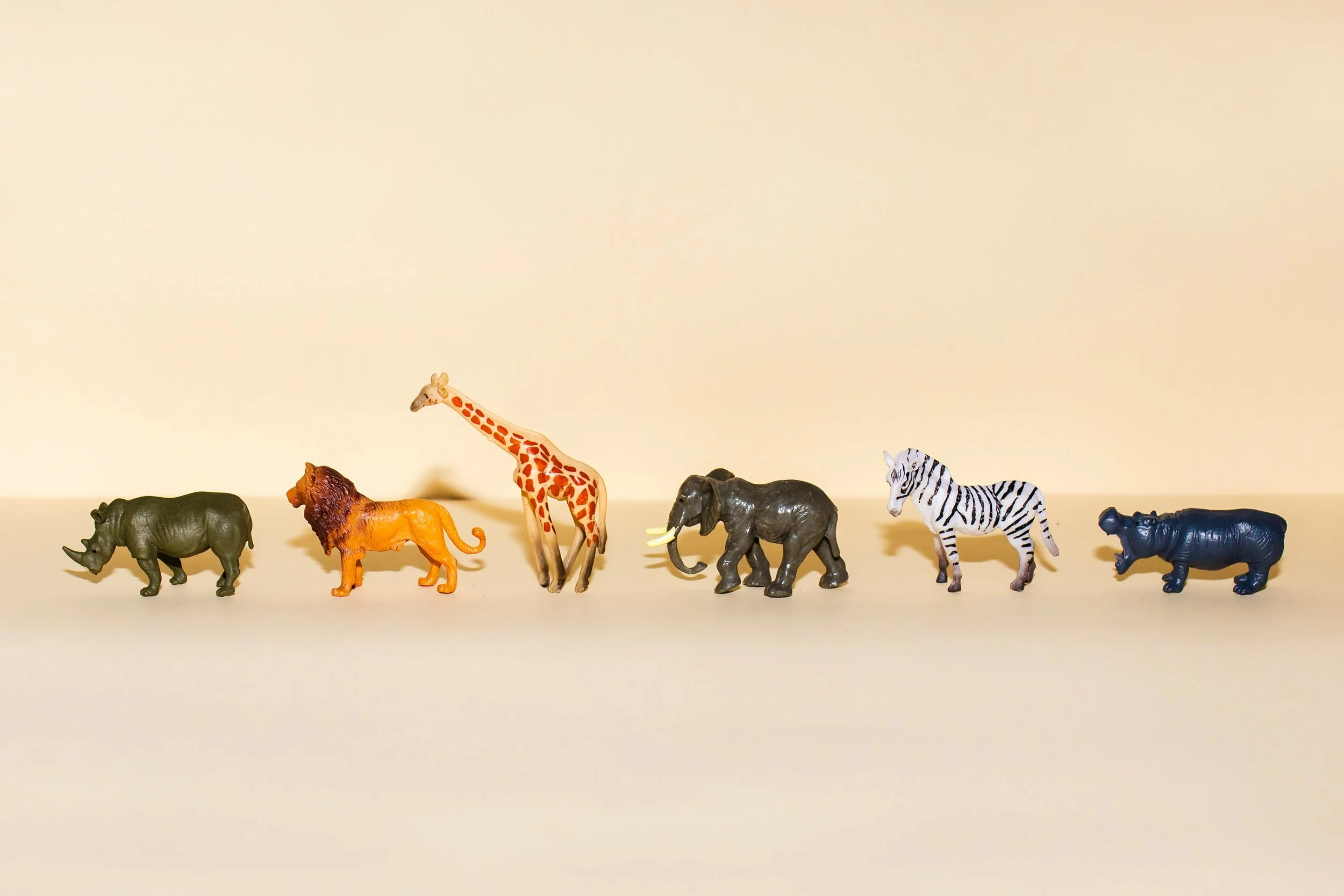
As we continued, something else became clear. He didn’t know the names of many of the animals on the cards. Parrot. Donkey. Koala. Porcupine. Cheetah. Panda. Hippo. These weren’t just tricky words; they were unfamiliar concepts. At one point, he paused and asked, “A porcupine? What is that?”
Later that same week, he would take the MAP assessment, and his scores would be calculated alongside those of second graders across the district. Around that time, I also spoke with a teacher who was administering a practice assessment to her class. The reading passage centered on zoo animals, followed by comprehension questions.
So here’s the quiet question we don’t always say out loud:
Who is more likely to score higher - the second grader who visits the zoo every weekend, or the second grader who has never been? The child who visits the zoo has an invisible advantage. When he hears the word zebra, a fully formed image appears. He knows what it looks like, how big it is, how it moves, what it eats. That background knowledge frees up his cognitive energy to focus on comprehension.
The child without that schema has to work harder. Harder to decode the word, harder to imagine the animal, harder to make sense of the text, all while being measured by the same standard. In Spot It, both players are given the same cards. In assessment, we often assume the same is true. But equal materials do not guarantee equal access.
This is the heart of assessment inequity. We are not only measuring skills; we are measuring exposure. We are asking children to “spot” symbols (words, concepts, references) without always acknowledging how unevenly those symbols have been introduced.
So how do we ensure the assessments we use to classify children are fair?
How do we ensure they are measuring what we believe they are measuring?
And how do we recognize, and honor, the students who are working double, triple, or quadruple as hard simply to access the task?
While we continue to grapple with systemic solutions, there is meaningful work we can do right now.
We can offer more field trips.
We can take virtual trips across the world.
We can invite visitors who expand children’s understanding beyond their immediate environment.
But perhaps the most powerful, and most accessible, tool we have is this: we can read aloud. Even to children who can read independently.
Reading aloud exposes students to rich vocabulary, correct pronunciation, and complex language structures. It builds shared experiences and shared images. When we read, we help children create mental pictures they can later draw upon, whether or not they’ve ever stepped foot in a zoo. When assessment time comes, those images matter.
In Spot It, success depends on what you can recognize quickly. In school, it’s much the same. Our responsibility as educators is not just to ask children to spot the match, but to make sure they’ve been given the chance to see it before we start the clock.
